
Few communities are as vulnerable as the displaced, whether refugees, asylum seekers or IDPs they are all innocent victims of armed conflict, political unrest or environmental disaster. Their plight ever more accentuated by the fact that children make up between 38%-43% of all forcibly displaced people representing roughly 27-34 million minors. The traumatic effects that dislocation already has on children’s development is compounded by the fact that the communities from which they typically originate are generally impoverished and are the first to fall victim to violence or the structural deficiencies of governments (in the case of natural disaster).
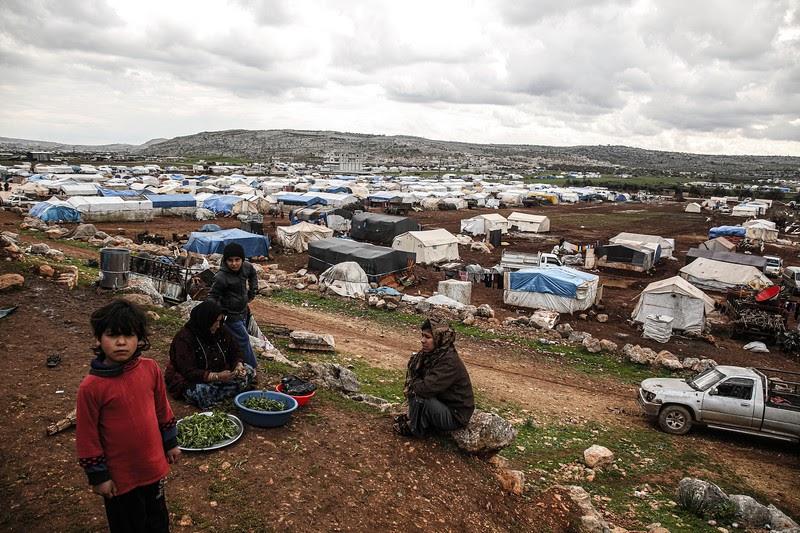
The trauma which children are exposed to during moments of unrest, disaster or armed conflict are typically put into two categories. The first being acute trauma representing a single identifiable moment or period where a child has been exposed to violence or other elements subject causing effects on the child’s mental health or development. The second is chronic trauma which is characterised by long term and repetitive exposure to traumatic events, such as during armed conflict or violent political unrest. The effects on the psychology of children is also dependent on the larger circumstances in which they were exposed and particularly whether or not the family unit and extended family bonds have remained intact post exposure. These elements are crucial to understand how an individual, and to a larger extent a community, process moments of trauma and displacement.
Orphaned minors who are IDPs in conflict zones seem to be exceptionally vulnerable to the long term health effects of persistent trauma exposure this can be characterised by behavioural changes or adaptations, persistent stress disorder, heightened aggressivity, emotional numbness and general distrust of others. Treating these individuals presents a number of challenges in the context of the internally displaced, seeing that they are not entirely insulated from hazards but are exposed to a situation of persistent threat. This is more often seen when children are exposed to political conflicts characterized by chronic strife, high personal involvement, poor definition of threat, and political, social and economic oppression. Their adaptation to these high stress environments is a question of survival, the behaviours and coping mechanisms children develop especially during their formative years have a tendency of being much harder to undo after the fact; as opposed to children who were exposed to acute trauma (with or without family support), or those who do not face a situation of persistent threat such as asylum seekers and refugees outside the affected state.
This being said, it is crucial that policy surrounding rehabilitation of forcibly displaced minors in conflict zones should be heavily oriented towards community support solutions and rebuilding of family units. These elements represent a framework for collectively processing trauma and typically have better results than the traditional clinical model of individual treatment. These methods need to be coupled with an unconditional adherence to the OHCA Guiding Principles on Internal Displacement which guarantee IDPs and other civilian populations their basic human rights. This is vital in building an environment which allows children to develop and heal from the effects of war, political unrest or disasters. Without guaranteeing their safety, the trauma they have been exposed to cannot be dealt with in any meaningful way, because of the persistent high stress environment. NGOs, regular forces, irregular forces and states have a moral obligation to allocate the proper time and resources to protecting displaced persons. The international community has a responsibility in monitoring and verifying that charters and customary international law is being followed. The reality is that these populations are often left on the cutting block of history, neglected by their governments and the international community alike. Unconditional support and resource allocation is necessary for these vulnerable populations, without which they will plunge into generational misery and forms of permanent displacement such as can be seen with palestinian refugee camps in Lebanon.