War, destruction, displacement and disease, four themes that should be distant and far removed from any child in the world, yet they are realities for many. Alone, each one is already detrimental to development and well being of children, but together, they act in unison to create unbearable living conditions that push many families into ever more precarious and dangerous situations. Often being displaced and forced into cramped, overcrowded and under resourced refugee camps.
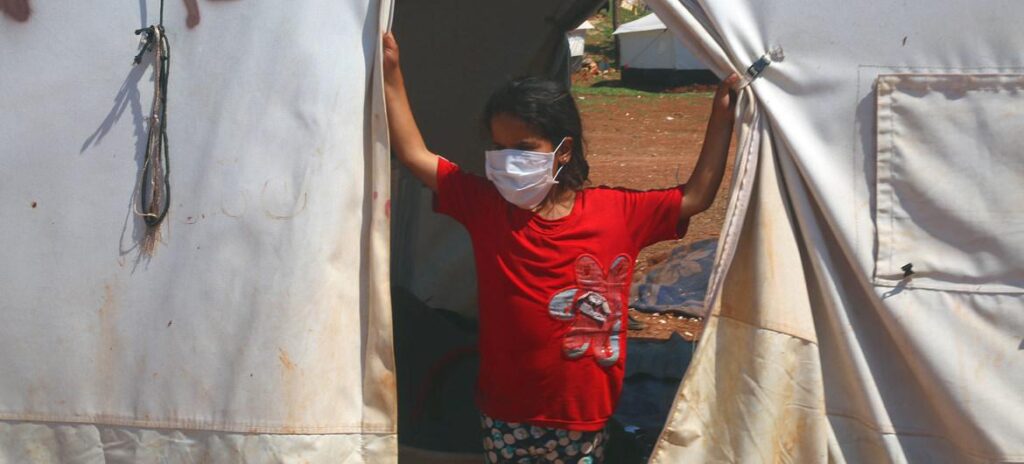
The structural issues that are already present in conflict zones such as lack of infrastructure, fragile economic situations and chronic under-education (especially in women and young girls) are heavily accentuated during health crises, such as the COVID-19 pandemic. The threats that children face are numerous and multiform, ranging from more obvious hazards such as infection by viruses, food scarcity and lack of access to clean water to less visible issues such as the socioeconomic effects of pandemics along with developmental issues linked to trauma and displacement. We have a responsibility to identify and expose the abuses and issues that children in war zones face on a daily basis and push for action in order to protect the most vulnerable populations of the world from the compounding effects of war, displacement and disease. Which cause various repeating cycles leading to endemic poverty, chronic health issues and a general embrittlement of social structures all of which disproportionately affect women and children. In order to break these cycles, heavy investments in education, health infrastructure and economic development are necessary to allow the reconstruction of regions often ravaged by multi-decade armed conflicts. To allow this to happen it is vital that the international community push for close collaboration between local authorities, NGOs and other civil structures, without which the flow of resources and investments will not be able to get to the people that need it the most.
By pushing for more transparency among actors along with rigorous research into the synergistic effects of conflicts, health crises and underdevelopment we will be able to curtail the historic ills which some regions have been plagued by.
A multi axis approach is required, to assure the best possible outcome for children who are innocent bystanders to both war and health crises. This road map should attack all aspects that affect children ranging from education, security to economic development or access to health infrastructure. The goal being to assure the continuity of universal human rights throughout the world regardless of the level of development or the conflicts of a country or region. We have a global responsibility to do all in our power to assure that the weakest and most vulnerable people are protected from the detrimental effects of pandemics and that minors are guaranteed their universal human rights as laid out in the CRC (Convention on the rights of the child, 1989). Every child deserves a future regardless of where they were born, we want to make that future, safe, prosperous and free from conflict and disease.